
A kitchen is one of the most frequently used spaces in any home, yet its usability often depends less on décor and more on how intelligently the layout is planned. Smart layout changes can completely transform how smoothly daily tasks are performed, whether it’s cooking, cleaning, or socializing. Many homeowners exploring a kitchen remodel in The Hamptons or considering a kitchen renovation in Los Angeles often discover that even minor spatial adjustments can significantly improve convenience, efficiency, and overall comfort without expanding square footage.
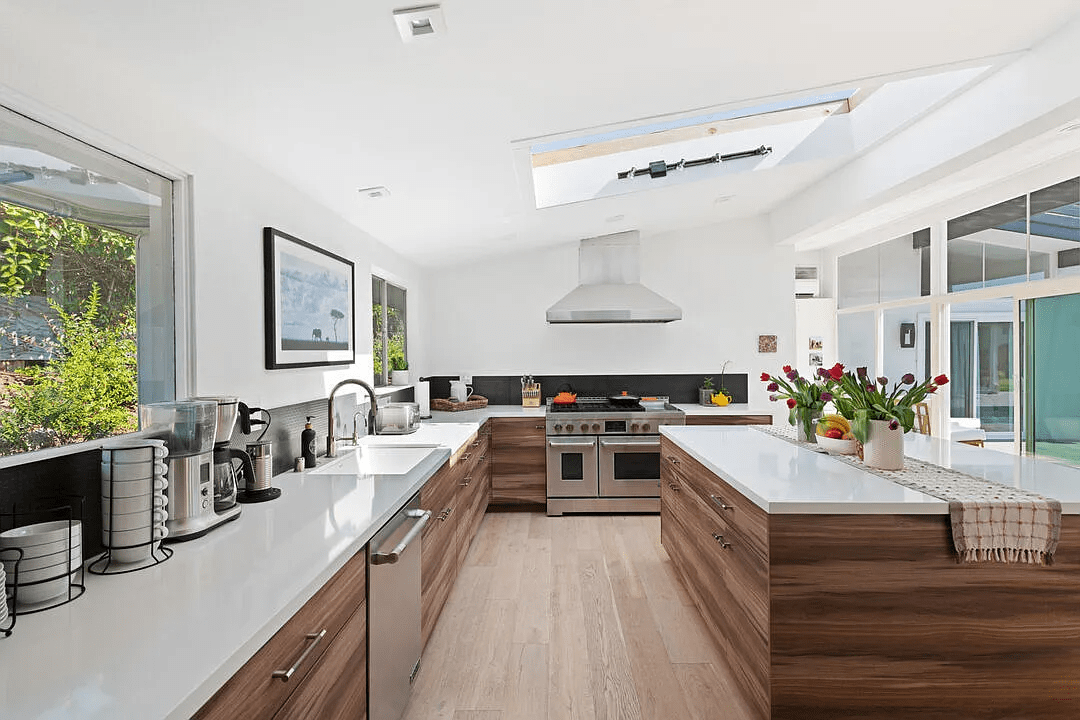
Rethinking the Work Triangle
Zoning for Daily Flow
Out there near the sink, stove, and fridge, an old idea holds strong - it shapes how kitchens get used every day. Still, life now doesn’t follow that same strict path anymore. Task spots grow where people spend time: chopping things nearby, keeping pans close, wiping dishes right after. A refresh out in Hamptons homes reshapes those corners so feet stay fresh instead of worn from crossing floor again and again.
Reducing Cross Traffic
Most times, a rushed design means someone always walks through where meals are being made. When appliances line up right with clear paths between them, moving around gets easier. In Los Angeles kitchen upgrades, shifting the fridge or setting the sink off the main route lets more than one person work inside at once. People stop bumping into each other when flow matters.
Optimizing Storage Placement
Accessibility Over Quantity
Space to keep things goes beyond extra cupboards. It means putting what you need where it makes sense. When tools for cooking live near the stove, reaching them feels natural. Dishes stacked by the dishwasher save steps every time. Close at hand beats far away when moving through your day. What gets used often earns a spot nearby. Efficiency hides in small moves repeated daily.
Use Vertical Spaces and Corners
Hidden spots sit unused in most cooking areas, especially tucked-in angles or high-up zones. Tall units or turntable shelving can breathe life into those forgotten pockets when changes are made. Remodeling a kitchen on Long Island's north shore? Smart storage choices keep looks sharp without losing everyday ease.
Improving Countertop Accessibility
Expanding Usable Surfaces
Work areas on counters matter more than how big they look. Placing things right can change everything. Microwaves tucked into wall spaces make the room appear wider. Coffee makers hidden away leave flat zones clear. Layout choices shape how easily tasks flow. Fitted nooks hold gadgets out of sight. Open stretches stay ready for chopping or mixing. Position beats square footage every time.
Strategic Spacing Between Stations
Far apart - cooking spots and prep counters cut risks. During a kitchen renovation in Los Angeles, keeping stovetops away from cutting boards means fewer slips without slowing down movement.
Lighting Layout and Sightlines
Task-Oriented Lighting
Where light falls changes how well you see what you’re doing. Rather than just ceiling lights, today’s designs place small lamps right where hands are busy. These focused spots make chopping safer, easier on the eyes. Shadows shrink when brightness comes from above the counter.
Maintaining Clear Visual Lines
Looking across the kitchen changes how airy it seems. When cabinets move or walls drop lower, the room starts to feel linked. Remodeling a kitchen in hamptons? Keeping sight of nearby rooms usually helps people use the space better, and also talk more easily. A clear view ties things together without effort.
Island and Peninsula Location
Multi-Functional Design
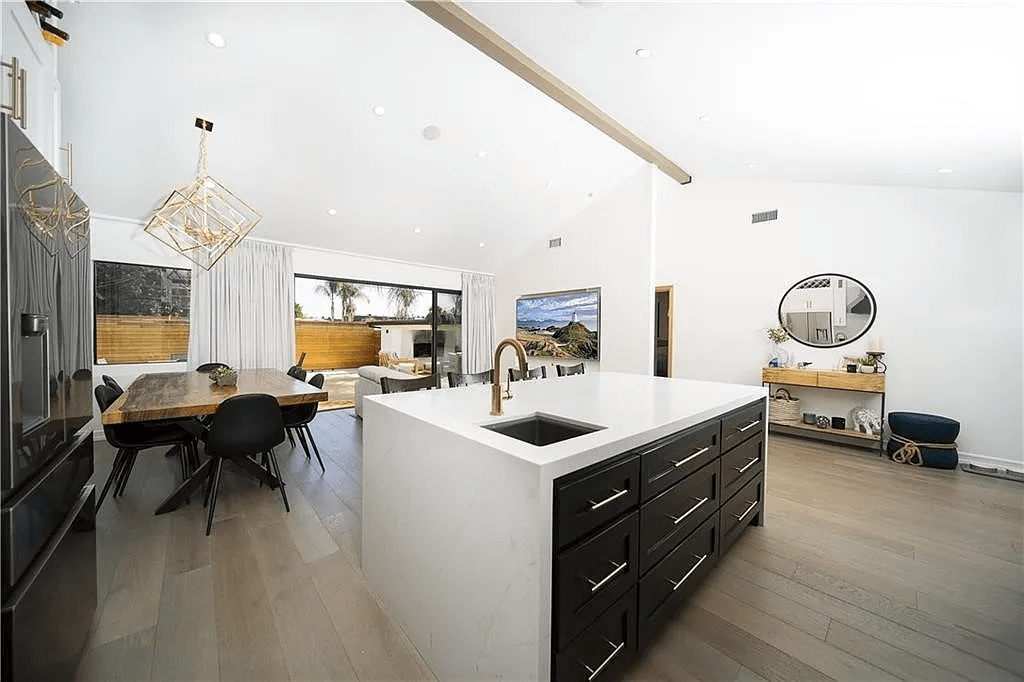
A kitchen island might sit where people chop vegetables, eat breakfast, or stow pots. Yet its spot matters - get it wrong, and walking becomes awkward. Instead of blocking foot traffic, a well-placed unit guides steps from sink to stove. Sometimes that means leaving space on one side but not both. Around here, function usually beats looks.
Balancing Open and Enclosed Areas
Picking a spot for your island can shape how space feels, even when rooms stay wide open. Instead of crowding one corner, turning it slightly lets people move easier, seen often during updates across Los Angeles kitchens.
Align Appliances as They Move
Integrating Appliances Seamlessly
Starting at one end, modern kitchen designs line up appliances where people naturally walk. Instead of random spots, wall ovens sit where reaching feels smooth during cooking. Pull-out trash bins appear near food prep zones, so scraps drop away without detours. Built-in dishwashers tuck beside sinks because washing follows meal cleanup. Movement shapes every placement - no extra steps needed.
Minimizing Physical Strain
Parked just right - neither too high nor too low - everyday tools slip into reach without hunching. A shift like that eases daily moves, making years of use feel lighter in a Hamptons kitchen redo.
Conclusion
Smart layout changes can redefine how a kitchen functions without requiring major structural alterations. By focusing on zoning, storage placement, countertop accessibility, lighting, and appliance alignment, homeowners can create a space that supports both daily routines and social gatherings. Whether planning a kitchen renovation in Los Angeles or upgrading an existing layout elsewhere, thoughtful spatial design ensures that the kitchen becomes more intuitive, efficient, and enjoyable to use over time.
FAQs
How does layout planning improve kitchen efficiency?
A kitchen flows better when things are placed with thought. Moving less means doing more without tiring fast. Smooth paths between key spots cut cluttered effort. Cooking becomes simpler when each step follows a quiet logic. Less reaching, fewer steps - just steady progress through daily meals.
Could rearranging the kitchen work out more useful than making it bigger?
Often, tweaking how space is used improves function more than adding new rooms. Rearranging smartly can fix movement problems inside a building while skipping expensive construction work.
Can layout changes enhance safety in the kitchen?
True - shifting how you arrange cooking, prep, and cleanup spots cuts down on mishaps because space stays clear and heat sources sit apart from busy paths.
What should be considered before adjusting a kitchen layout?
Every day routines matter when planning a new kitchen setup. Storage requirements shape how space gets used over time. How appliances fit into regular tasks makes a difference down the road. Matching the design to real life helps things work better. A layout built around actual habits tends to last longer.